Ploughman’s Lunch: Definition and Guide
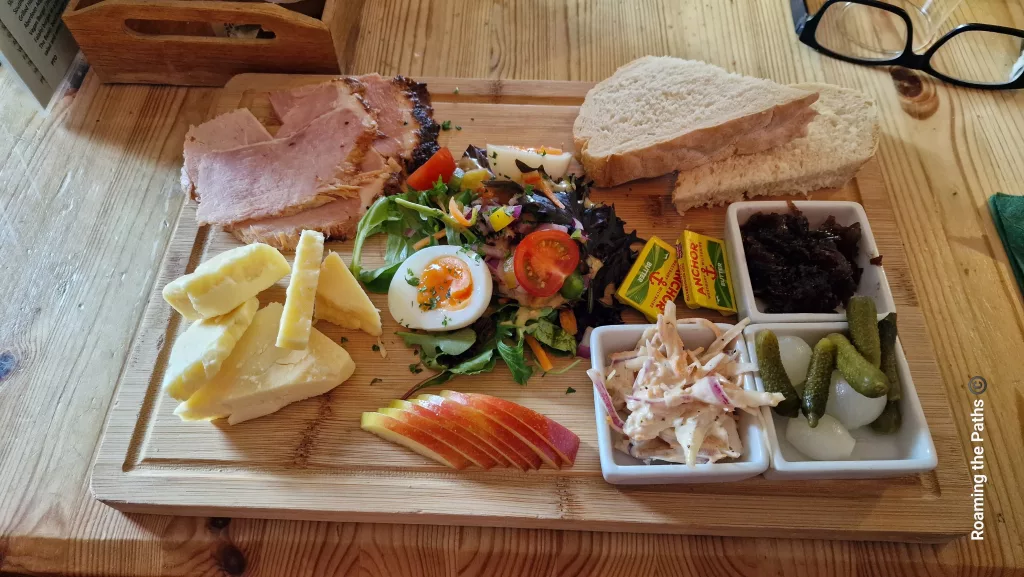
A Ploughman’s Lunch is a traditional British cold meal, typically built around cheese, bread and simple accompaniments, and most often served in pubs, cafés and farm shops.
At its best, it is a celebration of good local produce. Some proper cheese, decent bread and butter with something sharp or pickled to cut through the richness. At its worst, it can be a token plate assembled with little care.
This guide explains what a Ploughman’s Lunch is, where it comes from, and what separates a memorable from the terrible.
What is a Ploughman’s Lunch?
Traditionally, a Ploughman’s Lunch consists of:
- Cheese, often Cheddar but can be other traditional cheeses
- Bread preferibly crusty rolls or farmhouse loaves
- Butter
- Pickles or chutney
- Sometimes ham or other cold meats
- Simple extras such as apples, celery or salad
It is served cold and requires no cooking, which partly explains its long association with pubs and rural eating.
There is no single fixed recipe, and that flexibility is part of its charm.
A Brief History of the Ploughman’s Lunch
Despite sounding ancient, the modern Ploughman’s Lunch is largely a 20th-century invention, popularised in the post-war period.
Historically Ale cheese and bread had an association for a lunch. There are assorted historical references, including William Cobbett who made refernce to lunches of Ale, Bread and Cheese.
After rationing had cesased in 1954 the cheese industry had not returned to pre-war production levels. The Cheese Bureau (part of the Milk Mareting Board) was charges with restoring the dairy industries fortunes. in 1957 the Cheese Bureau and the Brewers’ Society combined their effort at anevent in the Fishmongers Hall in the City of London. Beers from 8 London Breweries and 16 varieties of cheese were there for sampling, and adding bread, eggs and sausages after the event, the modern Ploughman’s lunch was born.
Its rise is often linked to campaigns encouraging the consumption of British cheese and simple, traditional fare. By the 1960s and 1970s, it had become a pub staple. A reliable lunch that was filling, inexpensive, and easy to prepare. Most ingredients staple and easy to store, and no cooking required.
Over time, the name stuck, even as the contents evolved.
What Makes a Good Ploughman’s Lunch?
A good Ploughman’s Lunch is arguably less about quantity and more about judgement.
Key markers of quality include:
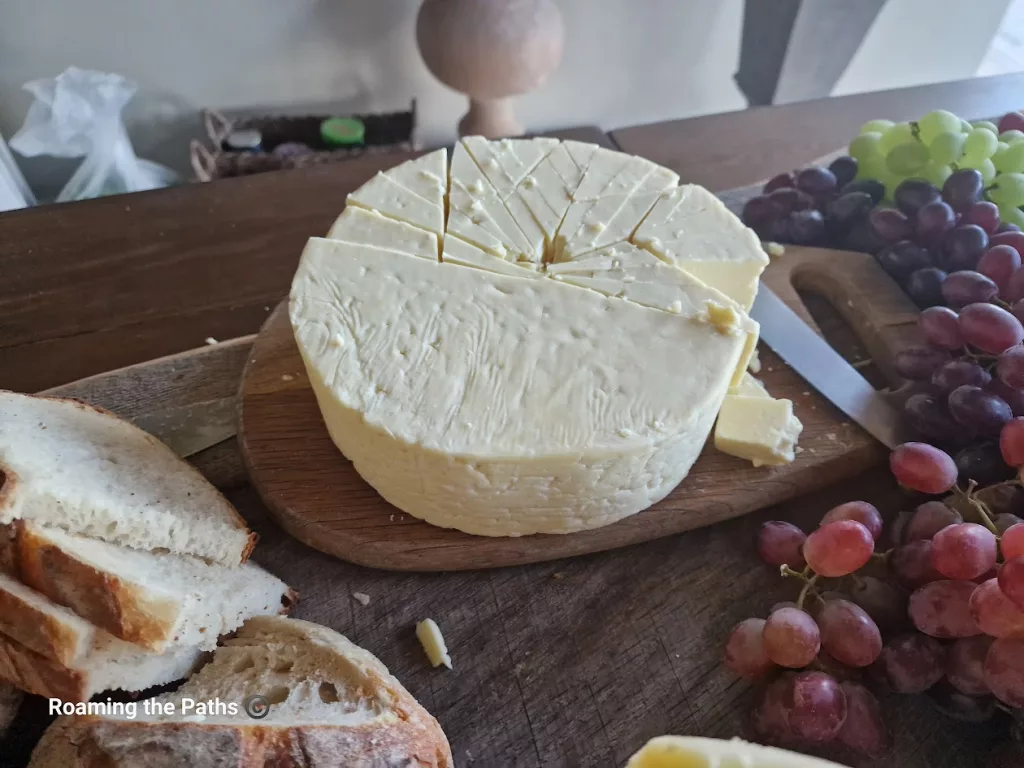
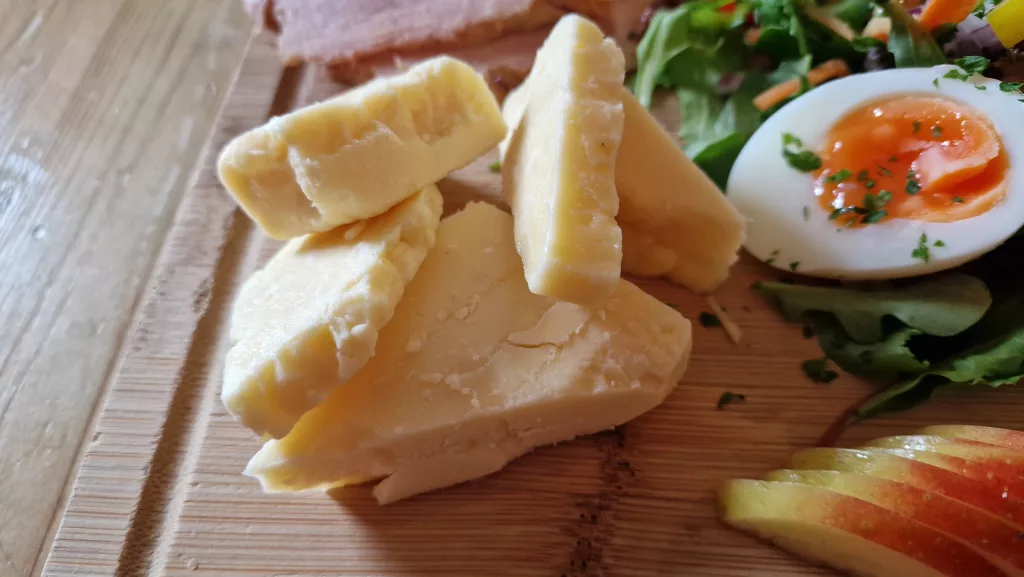
Cheese with character. Mature, local if possible, and served in proper portions
Bread worth eating. Fresh, tasty, and good, not an afterthought
Balance. A sharp pickle against rich cheese, crisp bread against soft butter
Restraint. It should be intentional, not a lettucess salad or a fridge clear-out
The best Ploughman’s Lunches reflect where you are. Local cheese, local bread, and a sense that someone cared. It’s not about micheline star presentation, rather a good selection of the best of some simple ingredients.
Modern Variations
Today you might encounter:
- Ploughman’s Lunches with multiple cheeses
- Versions including pork pie, ham, or terrine
- Vegetarian or lighter interpretations
- Farm-shop or café versions with seasonal produce
These are all valid so long as the spirit remains intact.
Why the Ploughman’s Lunch Still Matters
In an age of fast food and identical menus, the Ploughman’s Lunch remains quietly radical. It rewards local sourcing, simplicity and honesty, and it encourages pubs and cafés to showcase what they do well. This is perhaps why larger Pub companies do not have the option, as it is regional and not all distributed from a central warehouse.
Looking for a Good One?
If you are interested in how Ploughman’s Lunches are actually served around the country — the good, the mediocre and the genuinely excellent — you can explore my growing collection of Ploughman’s Lunch reviews, found while walking and travelling across the British countryside.
If your feeling more adventurous, have a look at the list of places in the Directory that may do a Ploughman’s Lunch, and maybe even tell us about it.